


The orientation of a home is often overlooked, especially when designing, building, or purchasing a property. Yet the direction a home faces determines how much sunlight, wind, and outdoor connection it receives. These conditions are not easy to adjust later without a major, time-consuming, and costly renovation. Understanding how orientation shapes the everyday experience of your home can help you make more intentional decisions from the very beginning.
Here are three ways orientation shapes how your home feels and functions:
Sunlight The direction a room faces can shape how much daylight it receives throughout the day. • East-facing rooms are often a good fit for bedrooms, where morning light can support a natural, gentle start to the day. • South-facing spaces (in the Northern Hemisphere) tend to receive the most consistent daylight, making them well suited to living areas, home offices, and other spaces where you spend active time. This exposure can help you feel alert and engaged throughout the day. • West-facing spaces capture the warmth of the evening sun, which can make them a comfortable choice for family and dining areas. • North-facing rooms (in the Northern Hemisphere) receive softer, more even light throughout the day, often well suited to art and craft spaces.
Winds Prevailing wind patterns can shape how comfortable a home feels across different climates. • In warmer climates, placing more windows along the prevailing wind direction can support natural ventilation, increase comfort levels, and reduce reliance on air conditioning, which may also help lower energy costs. • In colder climates, limiting windows along the prevailing wind direction can help reduce drafts, improve thermal comfort, and potentially reduce the amount of heating the home needs.
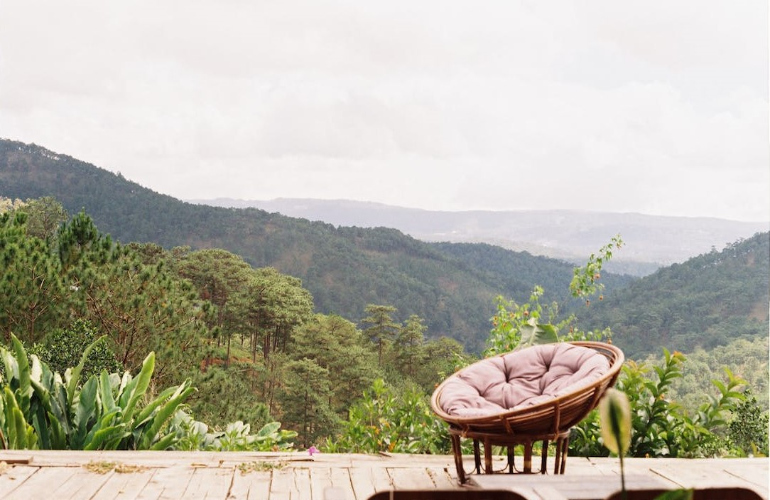
Views and nature A home's orientation also shapes its connection to the outdoors. • Unobstructed views and a strong connection to nature can make a home feel more open and inviting to spend time in, a foundational idea behind biophilic design. • Bringing a touch of nature into your home, whether through a garden view, greenery, or natural light, can combine the comfort of home with the invigorating quality of the outdoors.
The main takeaway is that orientation is worth paying close attention to when designing, building, or purchasing a home, because it shapes so much of how your home is experienced and your comfort level.